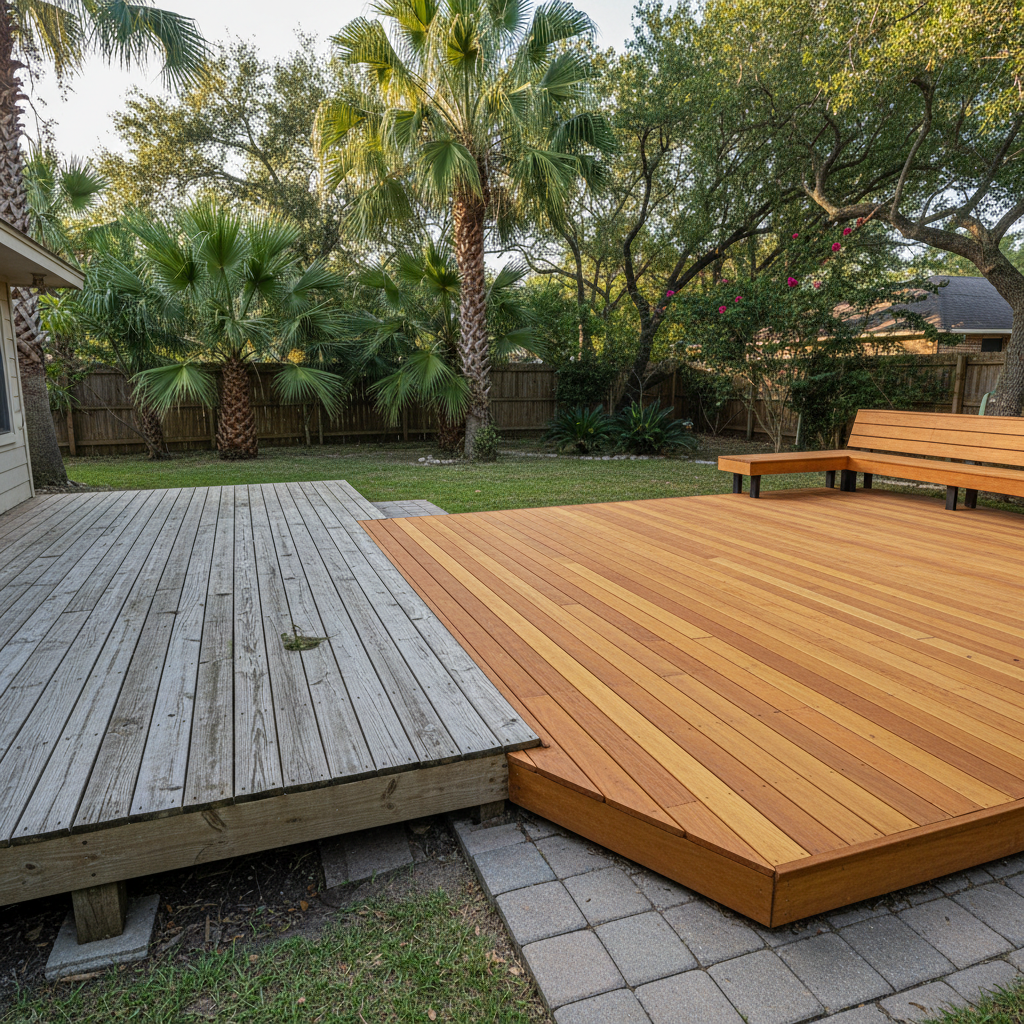
Alright, let's talk decks. You're probably thinking about adding a beautiful wooden deck to your Brownsville home, and that's a fantastic idea. But then you hit the first big decision: what kind of wood? For most folks, it really comes down to two main players: pressure-treated pine and cedar. You've probably seen both, but do you know what truly sets them apart, especially here in our neck of the woods?
Pressure-Treated Pine: The Workhorse
Pressure-treated lumber is often what pops into people's heads when they hear 'wood deck.' It's usually Southern Yellow Pine that's been infused with chemical preservatives under high pressure. This process makes it tough against rot, fungi, and insects, which is a big deal down here where moisture and pests are always looking for a way in, isn't it?
The Good Stuff:
- Cost-Effective: This is usually the biggest selling point, let's be honest. Pressure-treated pine is significantly cheaper upfront than cedar. If you're on a tighter budget but still want a real wood deck, this is your go-to.
- Durability: It's built tough. Those chemicals do a good job protecting it from the elements and critters. You'll get a good, long life out of it, provided you take care of it.
- Availability: Super easy to find. Every lumberyard carries it.
The Not-So-Good Stuff:
- Appearance: Freshly installed, it often has a greenish tint from the treatment process. It'll fade to a grayish color over time if you don't stain it. It just doesn't have the natural beauty or rich grain patterns of cedar.
- Splintering & Warping: It's prone to splintering, especially as it gets older. It can also warp, twist, and crack more than cedar, particularly in our intense Brownsville sun if it's not properly sealed and maintained. I've seen plenty of decks where the boards cup because of the constant sun and then the humidity.
- Maintenance: You absolutely have to clean and seal or stain it regularly – usually every year or two. Skipping this step means a shorter lifespan and a much less attractive deck, period.
Cedar: The Natural Beauty
Cedar, especially Western Red Cedar, is a premium choice for decks. It's naturally beautiful, with a rich color and distinctive grain. It's also naturally resistant to rot, decay, and insects because of oils present in the wood itself. No chemicals needed for that kind of protection.
The Good Stuff:
- Appearance: This is where cedar really shines. It has a gorgeous, rich reddish-brown color that ages gracefully to a silvery-gray if you leave it unstained. The grain is beautiful, and it just looks more upscale and natural.
- Natural Resistance: Those natural oils I mentioned? They're fantastic at fending off insects and decay. You don't have to worry about harsh chemicals.
- Stability: Cedar is generally more stable than pressure-treated pine. It's less prone to warping, twisting, and cracking, which means a smoother, flatter deck surface for longer.
- Lightweight: It's lighter than pressure-treated lumber, which can make installation a bit easier.
The Not-So-Good Stuff:
- Cost: This is the big one. Cedar is significantly more expensive upfront than pressure-treated pine. You're paying for that natural beauty and inherent resistance, after all.
- Softness: It's a softer wood than pine, so it's more susceptible to dents and scratches. If you're dragging heavy furniture around or have active kids, you might see more wear and tear.
- Maintenance: While it's naturally resistant, you still need to clean and seal it to protect its color and prevent surface weathering. If you want to keep that rich reddish hue, you'll need to stain it regularly, just like pine.
So, Which One's Right for Your Brownsville Deck?
Here's my honest take, based on years of building decks right here in Brownsville. Our climate is tough. We get intense sun, high humidity, and occasional heavy rains. Pests are always a concern.
If budget is your absolute top priority, and you're committed to regular maintenance, pressure-treated pine is a perfectly fine choice. It'll give you a functional, enjoyable deck for years, especially if Primetime Decks Brownsville builds it right and you keep up with the sealing.
However, if your budget allows, I almost always lean towards cedar for homeowners here. The natural beauty and superior stability are huge advantages. While it's more expensive initially, its natural resistance to decay and insects, combined with its tendency to hold up better against warping and cracking in our climate, often means less headache and a more attractive deck in the long run. You'll still need to maintain it, but you're starting with a higher-quality, more stable product that handles our unique weather patterns a bit better. Plus, that look? It's just hard to beat.
Ultimately, both can make a great deck. It just depends on what you value most – upfront cost or long-term aesthetics and a bit more natural resilience.